High levels of benzene have been discovered in the domestic gas supply for multiple Western European cities by researchers at PSE Healthy Energy and Stanford University. Exposure through commonplace gas leaks reaches levels that breach safe limits for many residents, new modelling suggests. Weak odourisation practices make exposure hard to detect. Read the full press release here.

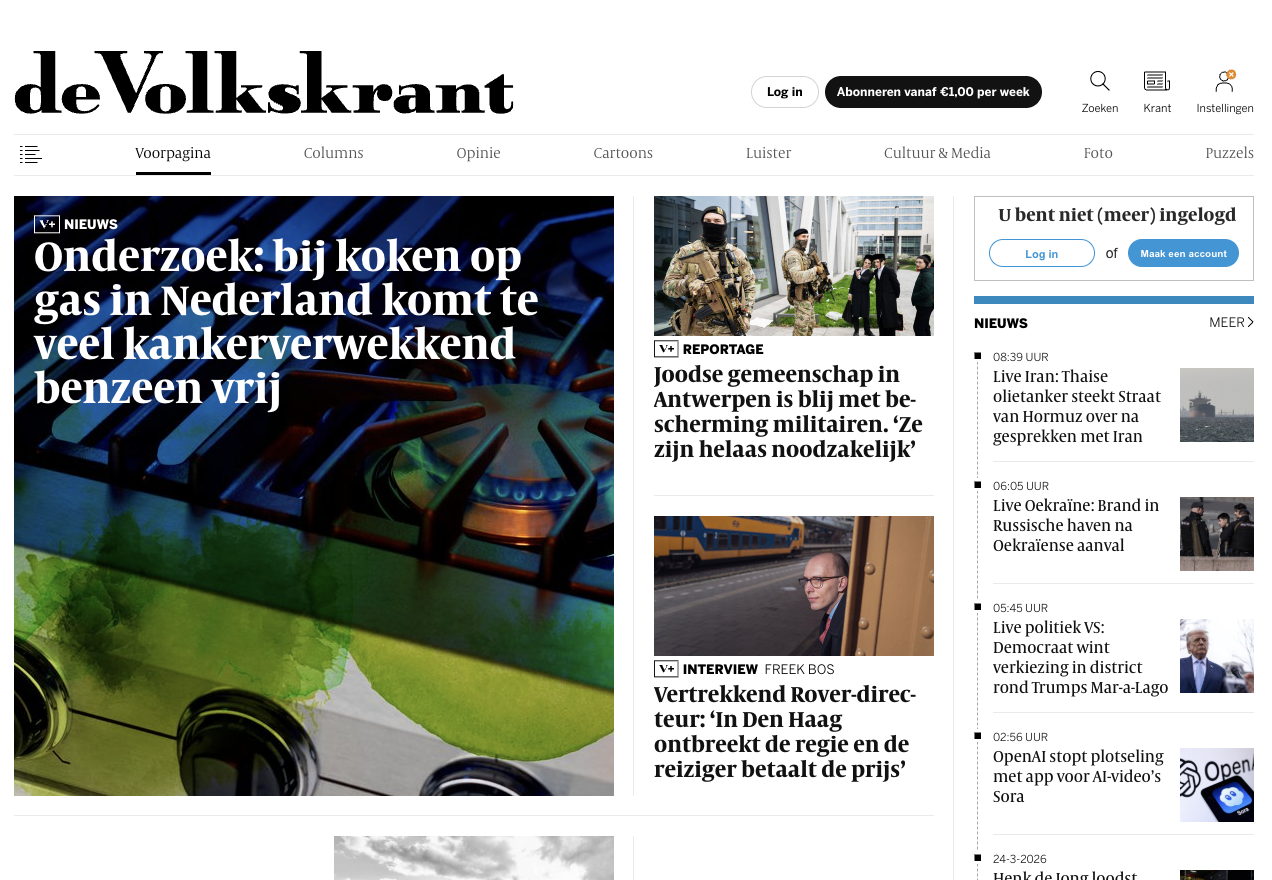
Announcing the discovery by scientists of a surprising new cancer threat to large numbers of people under the Stanford name was really tough. Not because it isn’t newsworthy of course. Far from it. But because the outbreak of war in the Middle East meant there was “no time for anything else”, as a newspaper editor friend told me over dinner in London the night after publication. “What a month” a leading New York Times correspondent commented today. In the weeks before, I had to work really hard to get it into the media bloodstream even in heavily staffed newsrooms such as Bloomberg’s in London. Thankfully, our package was ready in good time, allowing sequential outreach over a couple of weeks. The result was a short, sharp burst of high profile coverage, with around 200 visible hits to date, including the front page (Het Paroool) and prominent placement on homepages (de Volkskrant, Der Spiegel). Reporters didn’t mince their words, with headlines and intros in the Financial Times, Daily Telegraph and Daily Mail providing stark warnings of the hazard. I personally think this surprising and scary story of tainted gas being piped into homes and creating a hidden cancer threat for hundreds of thousands of people would have gained far more coverage if it weren’t for the war.

Der Spiegel editors ran their story (here auto-translated to English) prominently on publication day